Poison Ivy Removal in Philadelphia, PA
Poison ivy removal services focus on safely eliminating this common plant that can cause skin irritation and allergic reactions for homeowners and their families. These services typically cover residential properties such as yards, gardens, fences, and wooded areas where poison ivy may grow unchecked. Property owners often request removal when the plant encroaches on outdoor living spaces, threatens children or pets, or spreads across large sections of the landscape. Understanding the extent of the growth, the accessibility of affected areas, and any nearby plants or structures can help determine the best approach for effective and safe removal.
Before requesting poison ivy removal, property owners should consider the location and size of the affected areas, as well as any potential hazards involved in removing the plant themselves. It’s important to identify whether the plant is growing on the ground, climbing trees, or spreading along fences, as this can influence the removal method. Additionally, knowing if there are nearby plants or structures that could be impacted helps ensure the removal process is thorough and minimizes damage. Proper disposal of the plant material is also a key consideration to prevent regrowth and protect outdoor spaces.
Many property owners in Philadelphia, PA look into Poison Ivy Removal for repairs, replacements, upgrades, and appearance-related improvements.
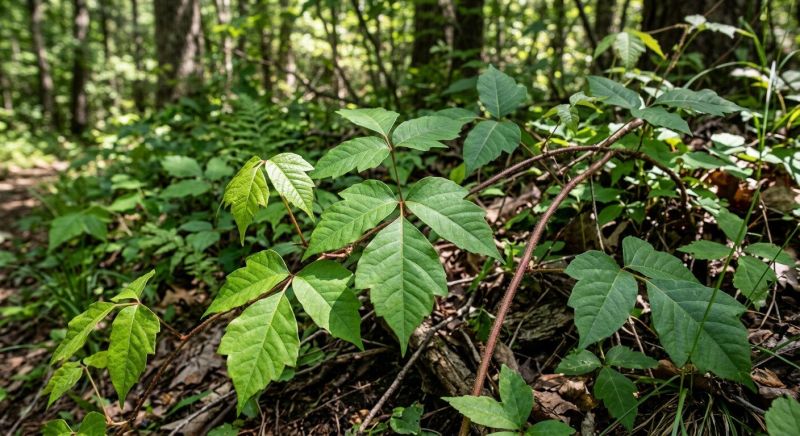
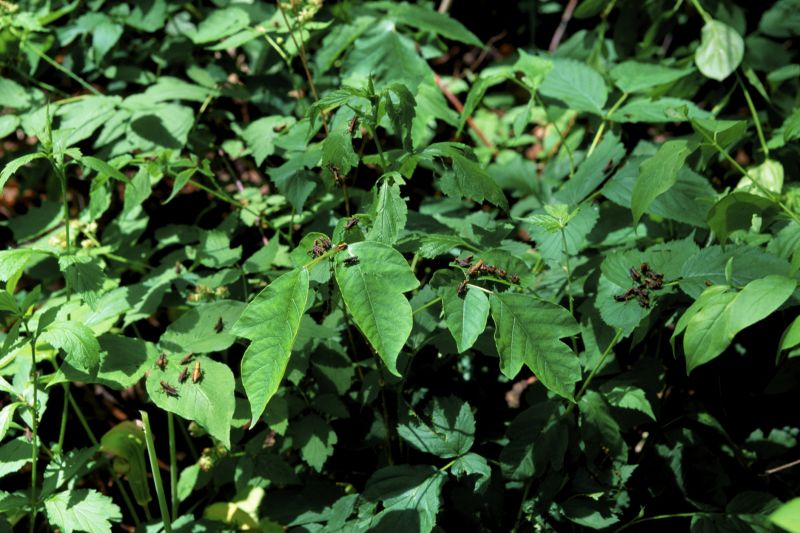
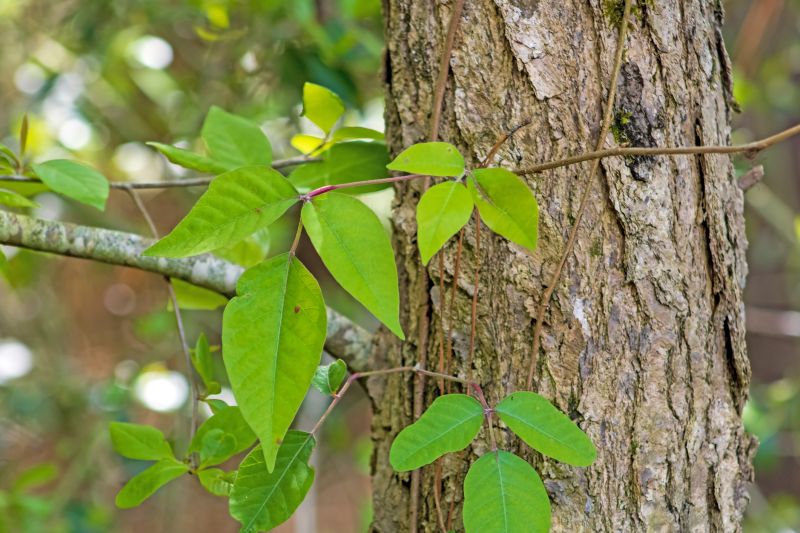
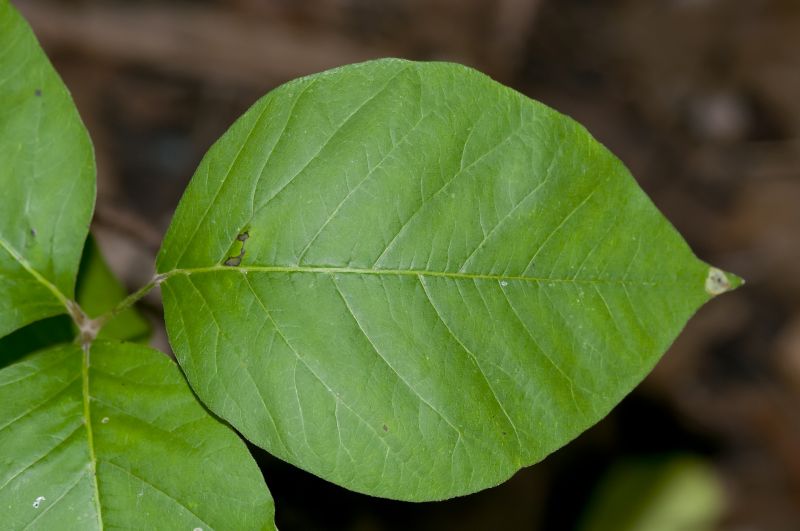
Identifying Poison Ivy
Proper identification helps prevent skin irritation and property damage.
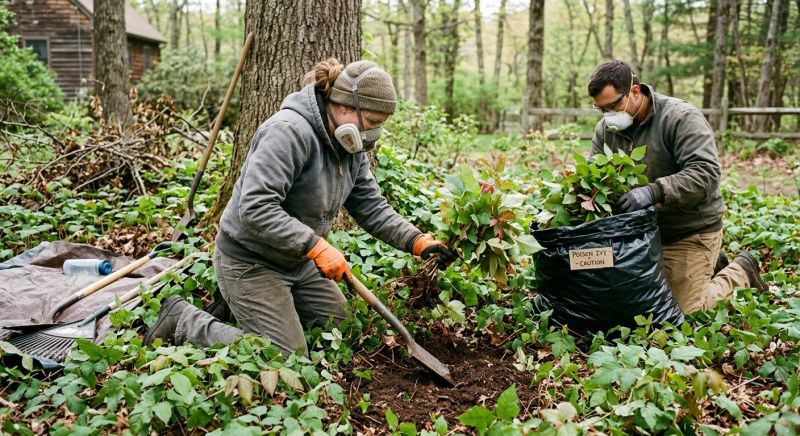
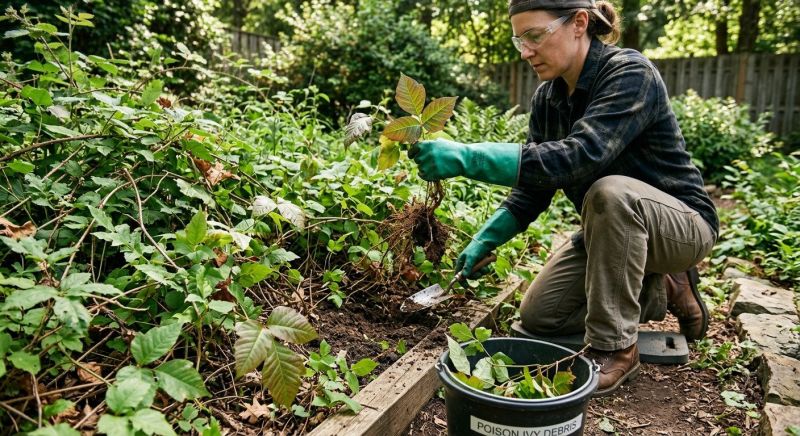
Safe Removal Methods
Professional removal ensures the plant is eliminated without harming surrounding vegetation.
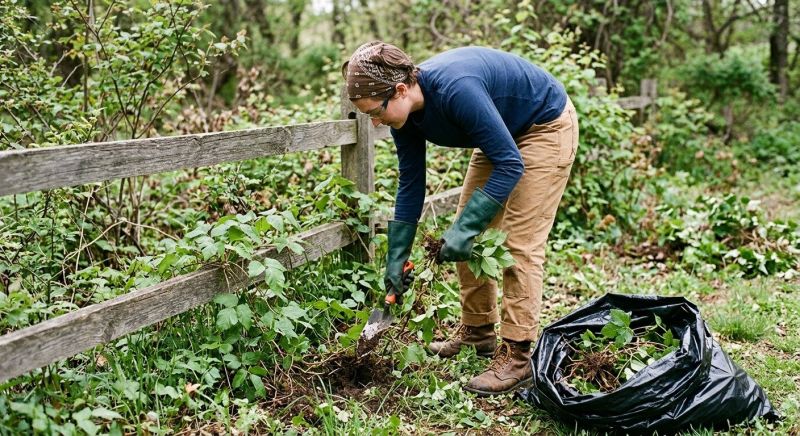
Property Protection Tips
Preventative measures can keep poison ivy from spreading across gardens and outdoor spaces in philadelphia.
Poison Ivy Removal in Philadelphia, PA

Poison ivy removal services focus on safely eliminating this common plant that can cause skin irritation and allergic reactions for homeowners and their families. These services typically cover residential properties such as yards, gardens, fences, and wooded areas where poison ivy may grow unchecked. Property owners often request removal when the plant encroaches on outdoor living spaces, threatens children or pets, or spreads across large sections of the landscape. Understanding the extent of the growth, the accessibility of affected areas, and any nearby plants or structures can help determine the best approach for effective and safe removal.
Before requesting poison ivy removal, property owners should consider the location and size of the affected areas, as well as any potential hazards involved in removing the plant themselves. It’s important to identify whether the plant is growing on the ground, climbing trees, or spreading along fences, as this can influence the removal method. Additionally, knowing if there are nearby plants or structures that could be impacted helps ensure the removal process is thorough and minimizes damage. Proper disposal of the plant material is also a key consideration to prevent regrowth and protect outdoor spaces.
Many property owners in Philadelphia, PA look into Poison Ivy Removal for repairs, replacements, upgrades, and appearance-related improvements.
Common Poison Ivy Removal Jobs
Poison Ivy Removal - safely eliminates invasive plants from residential landscapes.
Yard Clearing - removes poison ivy along fences, driveways, and garden beds.
Property Maintenance - prevents future growth by removing root systems and vines.
Vegetation Control - targets poison ivy in hard-to-reach areas and undergrowth.
Landscaping Cleanup - restores safety and appearance after poison ivy removal.
Hazard Prevention - reduces the risk of skin irritation and allergic reactions.
Poison Ivy Removal Questions
What is poison ivy removal? Poison ivy removal involves safely eliminating the plant to prevent skin irritation and protect the property.
When should poison ivy be removed? Removal is recommended when the plant is growing in areas accessible to children, pets, or where it causes concern for property safety.
Does removal require special equipment? Yes, removal typically involves protective gear and tools to carefully extract or kill the plants without spreading urushiol oil.
Will the plant grow back after removal? Poison ivy can regrow if roots are not fully removed, so proper disposal and treatment are important for long-term control.
Request Poison Ivy Removal in Philadelphia, PA
Use the quote form on this page to share the basics of your project and request more information for the type of work you need.